Architects of Change — building the future of the National Dental Association. Become an Architect →
About the NDA

About Us

1913
Established, serving our community
30+
Local and state societies
3K+
Network of oral health advocates
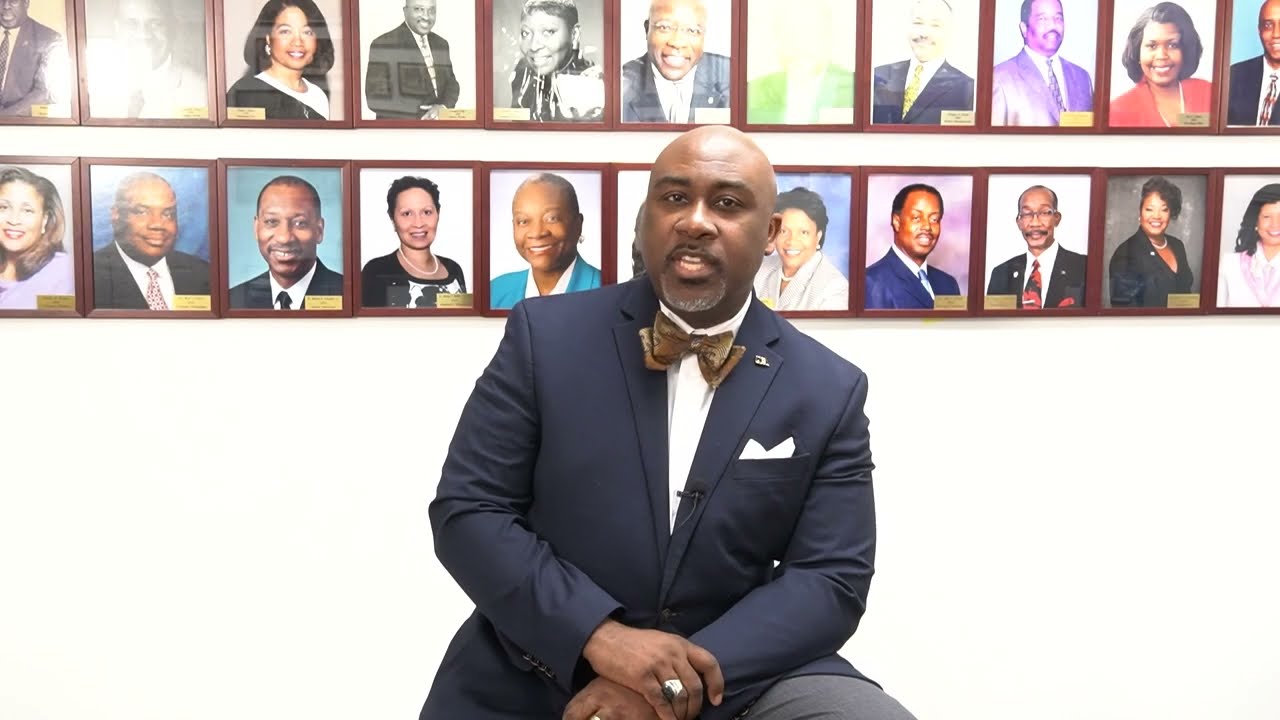
NDA Overview Video -Nov. 2024

NDA Mission

The National Dental Association promotes oral health equity among people of color by harnessing the collective power of its members, advocating for the needs of and mentoring dental students of color, and raising the profile of the profession in our communities.

The National Dental Association stands today as a testament to more than a century of visionary leadership, advocacy, and commitment to advancing oral health in underserved communities—particularly among African Americans. Its story is rooted in resilience and the determination to overcome systemic exclusion from the professional dental establishment of the early 20th century

The National Dental Association:
A Chronological History of Advocacy, Unity, and Progress
01 / 13 1869 The Legacy Begins
  1. 1869

    The Legacy Begins

    The NDA’s historical lineage can be traced back to Dr. Robert Tanner Freeman, who in 1869 became the first African American to earn a dental degree in the United States, graduating from Harvard University. His legacy would become symbolic for generations of Black dentists seeking representation and opportunity in the profession.
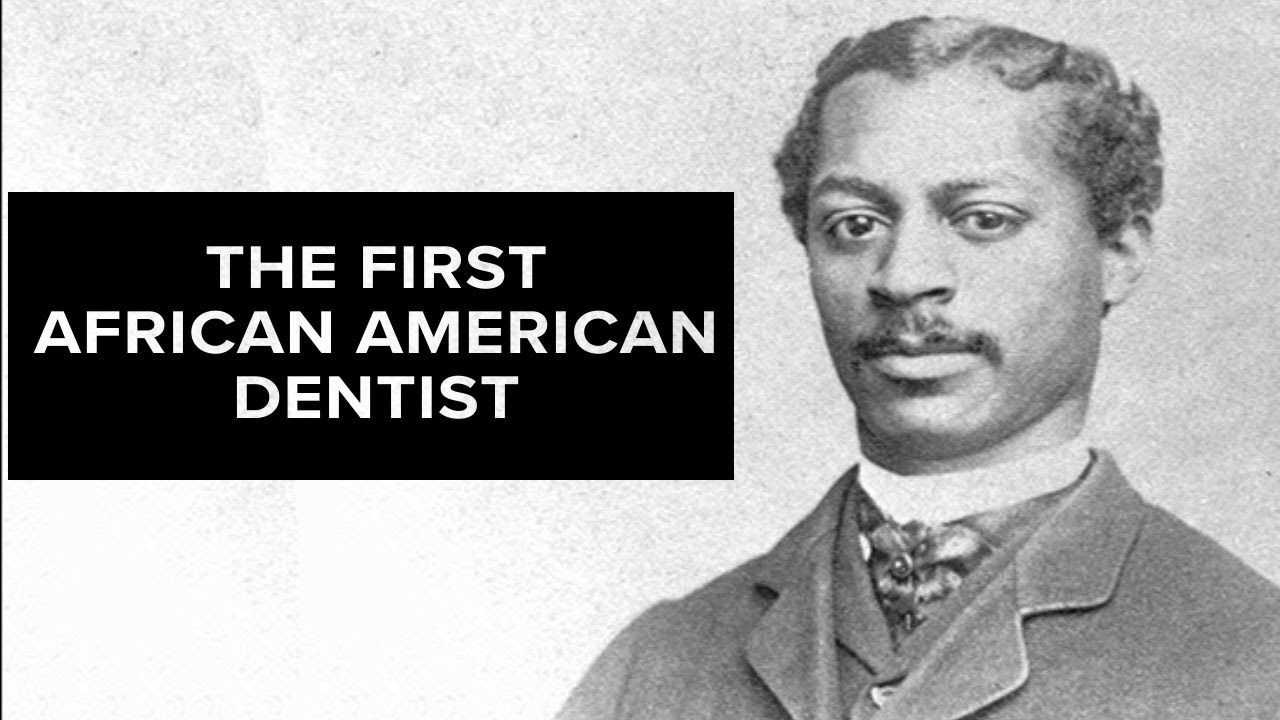
    Robert Tanner Freeman: The First African American Dentist
  2. 1900

    The Washington Society of Colored Dentists is Formed

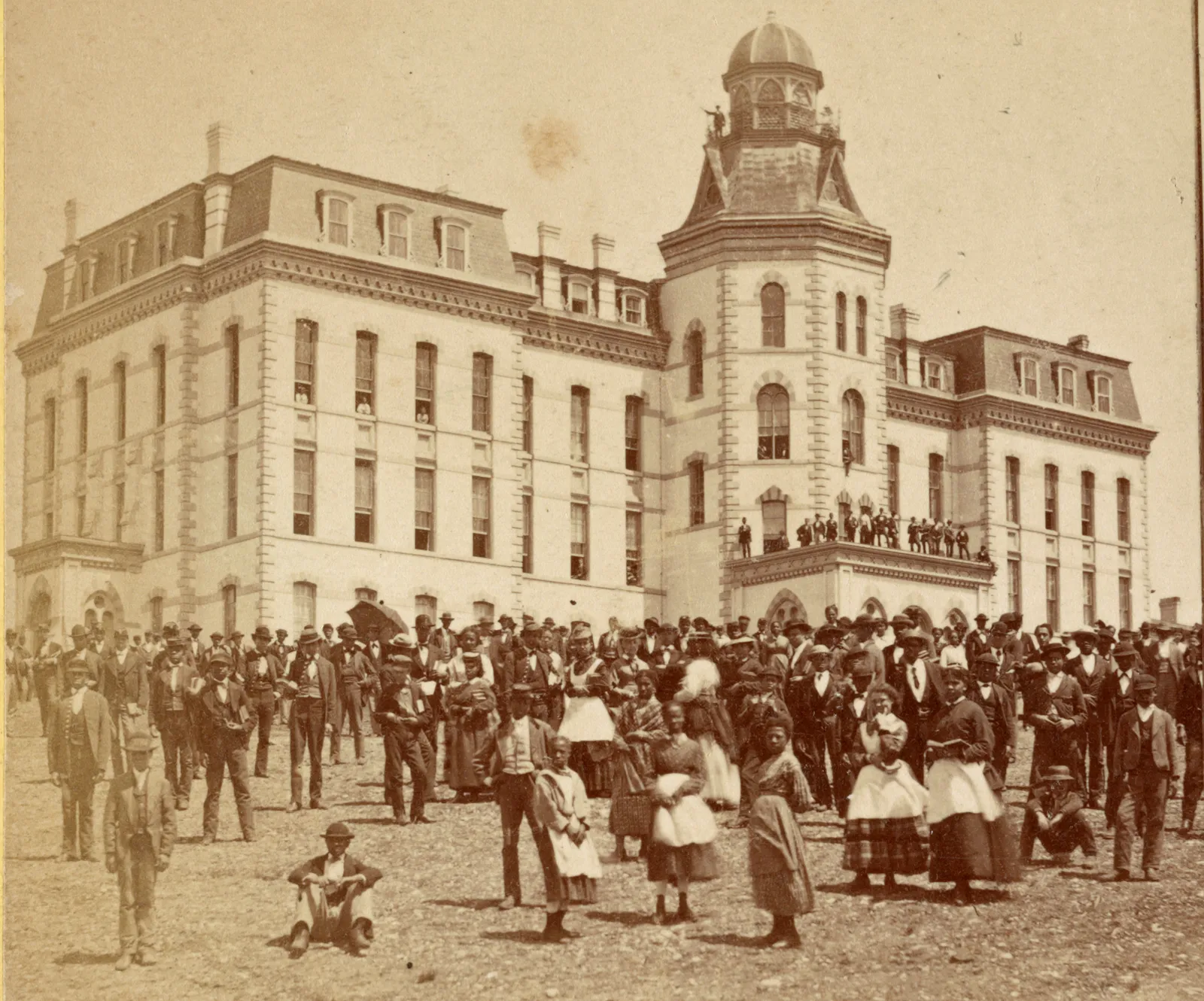
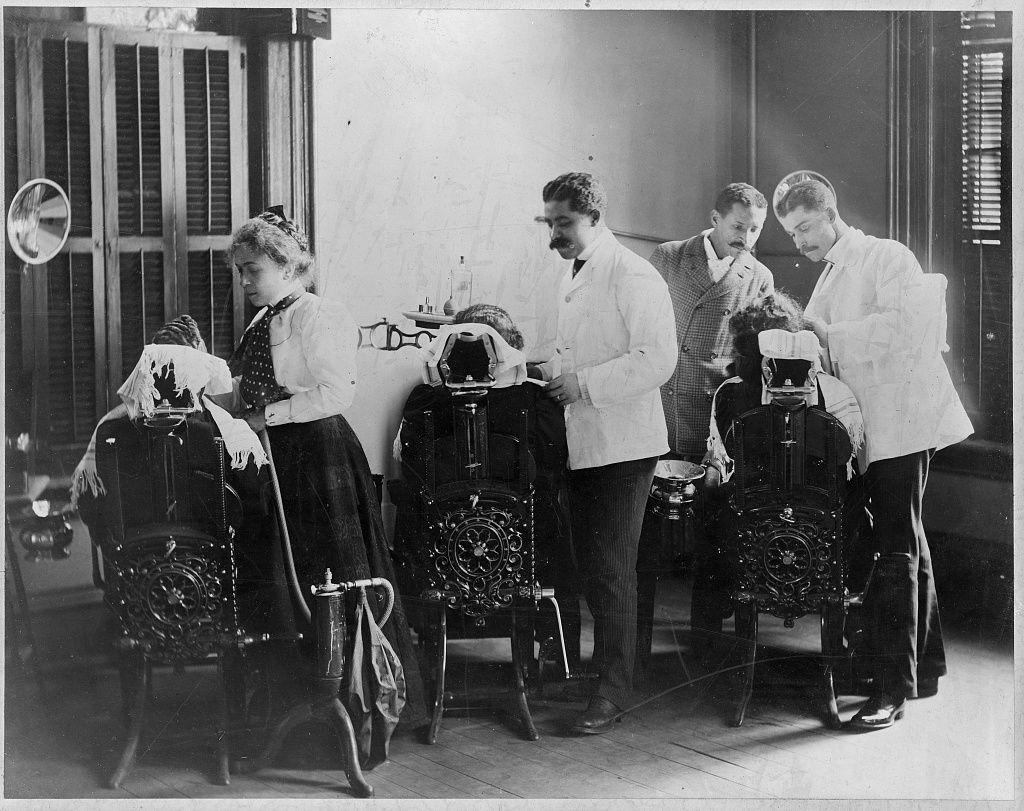
    In November 1900, a group of approximately 200 African American dental practitioners convened in Washington, D.C., responding to the growing need for professional collaboration and collective representation. This meeting led to the creation of the Washington Society of Colored Dentists, the first known professional dental organization for Black dentists in the United States.
  3. May 1, 1901

    Driven by the leadership of Dr. David A. Ferguson of Richmond, Virginia, the idea of a national organization began to take shape. On May 1, 1901, the National Association of Colored Dentists was formally established at Howard University College of Dentistry. The association held annual meetings for the next five years, laying foundational groundwork but ultimately dissolving due to limited engagement and organizational challenges.
  4. 1907

    Honoring a Pioneer

    The Washington Society of Colored Dentists was renamed the Robert T. Freeman Dental Society, paying tribute to Dr. Freeman’s historic achievement and influence.

  5. 1913

    The Tri-State Dental Association

    Determined to revive the national vision, Dr. Ferguson led the formation of the Tri-State Dental Association in 1913. The association was launched by 29 dentists from Virginia, Maryland, and the District of Columbia, marking a more sustainable effort to unite Black dental professionals across state lines.
  6. 1923

    National Expansion

    By 1923, the Interstate Dental Association represented 21 states. Its influence had extended far beyond the East Coast, and the organization’s annual meetings had become a hub for networking, education, and advocacy among Black dental professionals.

  7. 1927-1928

    Commonwealth Dental Society Founded

    In 1927, the Commonwealth Dental Society was established in New Jersey, becoming a major affiliate and supporter of the nationalization movement. One year later, in 1928, it officially affiliated with the Interstate Dental Association, signaling a strong commitment to collective progress.
    NDA Centennial Video
  8. 1932

    Founding of the National Dental Association

    In July 1932, the Commonwealth Dental Society invited the Interstate Dental Association to attend its annual meeting in Bordentown, New Jersey. The purpose: to formally propose the creation of a national dental organization. That same year, the vision became reality. The Interstate Dental Association was officially reorganized as the National Dental Association (NDA).
  9. Post-1932

    Structuring a National Institution

    Following its founding, the NDA implemented a national constitution to define its organizational structure and the relationship with its constituent societies. It developed scientific sessions, formed standing and special committees, and launched an official journal to disseminate research and share developments in the field.
  10. Mid–20th Century

    Growth and National Recognition

    Throughout the 20th century, the NDA established itself as a leading voice in American dentistry, offering scholarships, mentorship programs, and continuing education for dental professionals. It actively fought for representation in state licensing boards, dental schools, and national dental organizations, ensuring Black dentists had a seat at the table.
  11. Present Day

    Global Reach and Enduring Legacy

    Today, the NDA represents a network of more than 3,000 dentists across the United States and abroad, with 31 state and local chapters.

    The association advocates for the oral health of more than 40 million Black Americans and is actively expanding its partnerships in Africa, Canada, the Caribbean, Latin America, and South America.

    The NDA continues to serve alongside its family of organizations and stands as a beacon of leadership, scholarship, and service.
  12. Over 100 Years of Service

    From its earliest beginnings in Washington, D.C., to its current status as a global force in dental advocacy, the National Dental Association has remained committed to its founding mission: promoting oral health equity, advancing professional excellence, and supporting the next generation of dental professionals.

Support The NDA

NDA GOALS:

- Improve the delivery of oral health care in underserved communities;
- Improve the educational opportunities of minorities underrepresented in the oral health field.

The specific objectives of the NDA are to:

- Establish the NDA as the vanguard of oral health in communities of color;
- Perpetuate the tradition and upgrade the stature of African American dentists in service to the minority community;
-Increase the number of minorities in dentistry in areas of private practice, academia, administration, research, health policy, media advocacy and the armed services;
- Provide members with opportunities for continued education, collaborative research, leadership training, and business networking;Inform health policy, interface with legislators, and influence legislation that affects minority consumers and providers;
- Support members in transition from dental student to dental professionals to retirees and
- Strengthen alliances with other health organizations, community groups, national coalitions and corporations committed to the NDA ideals.